The mechanics of corporate governance: board composition and independence, duty of care and loyalty, committee structure, executive pay design, proxy disclosure and shareholder engagement. Coverage cites the rule or case behind each expectation. For directors, corporate secretaries, governance counsel and institutional investors voting shares.
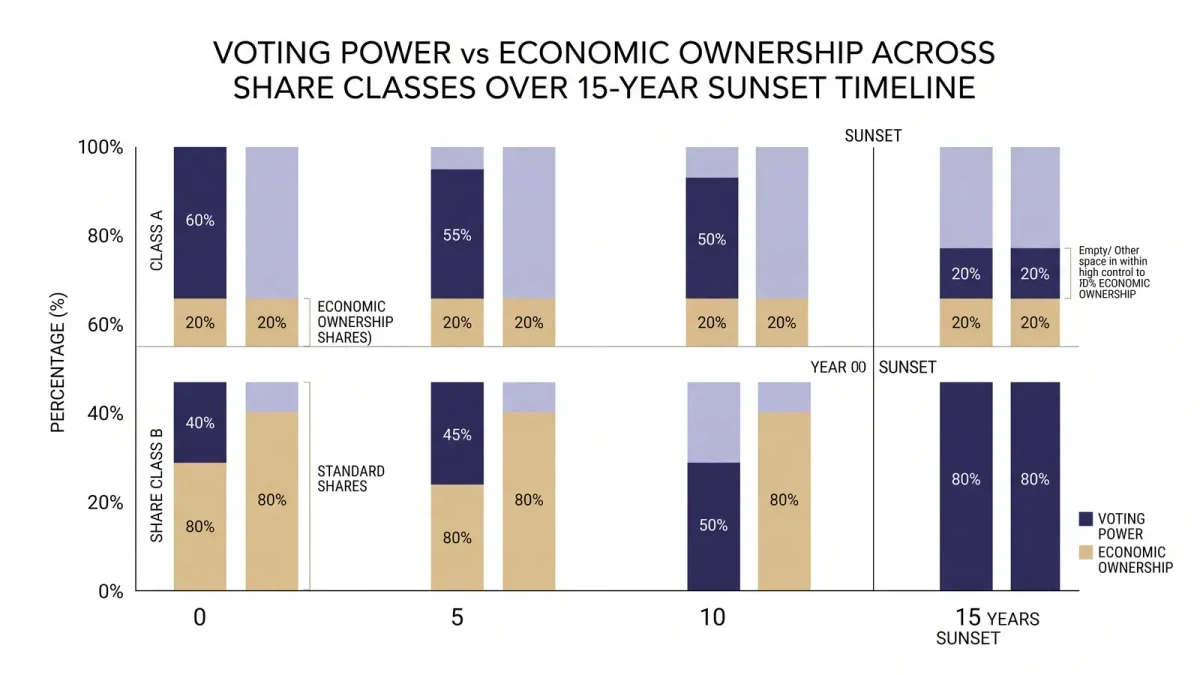
Dual-class stock gives founders supervoting shares that decouple economic ownership from voting power — increasingly tolerated only with time-based sunsets.
Three regimes now shape sustainability reporting — the ISSB baseline, the EU's CSRD with its 2025 scope cuts, and California's SB 253 and SB 261 — each with different reach.
Listing rules require the three standing committees, each with a written charter, independence tests and specific statutory mandates boards delegate at their risk.
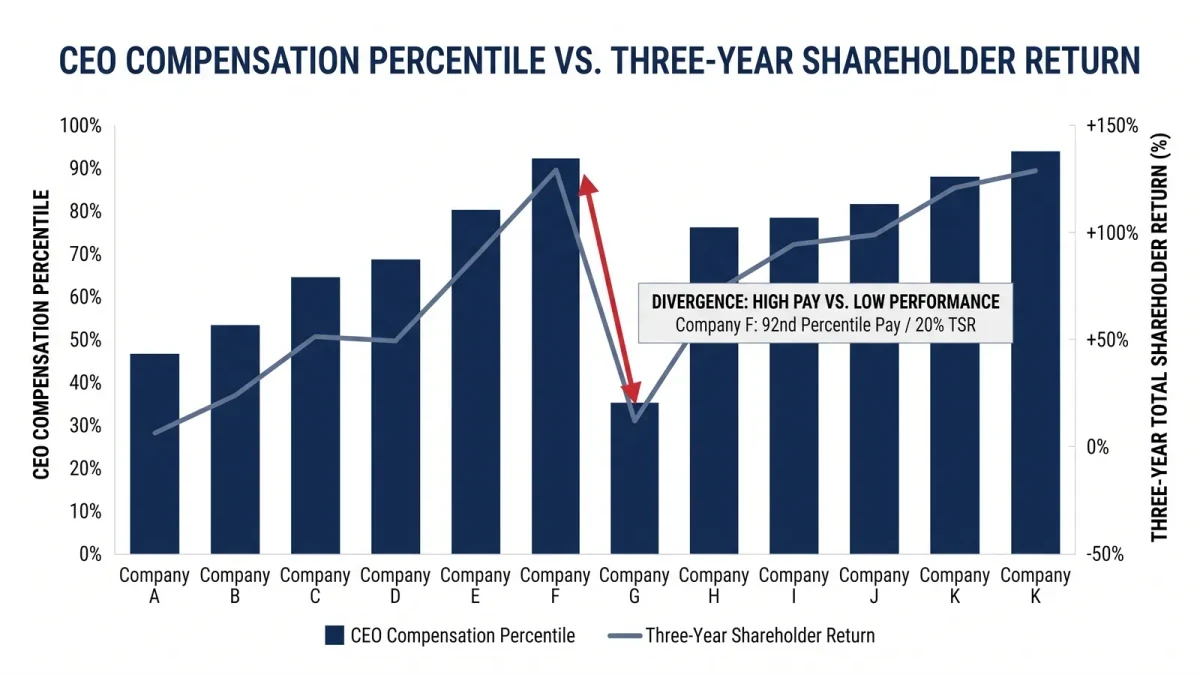
Say-on-pay gives shareholders a non-binding vote on executive compensation — weak as law, influential as signal, and occasionally decisive in litigation.