Cross-border compliance handled in operational terms: classifying goods, determining origin, obtaining licenses, screening counterparties, and drafting clauses that allocate duty and sanctions exposure. Coverage tracks changes to control lists and their effective dates. Aimed at trade compliance managers, logistics leads and counsel supporting international sales.
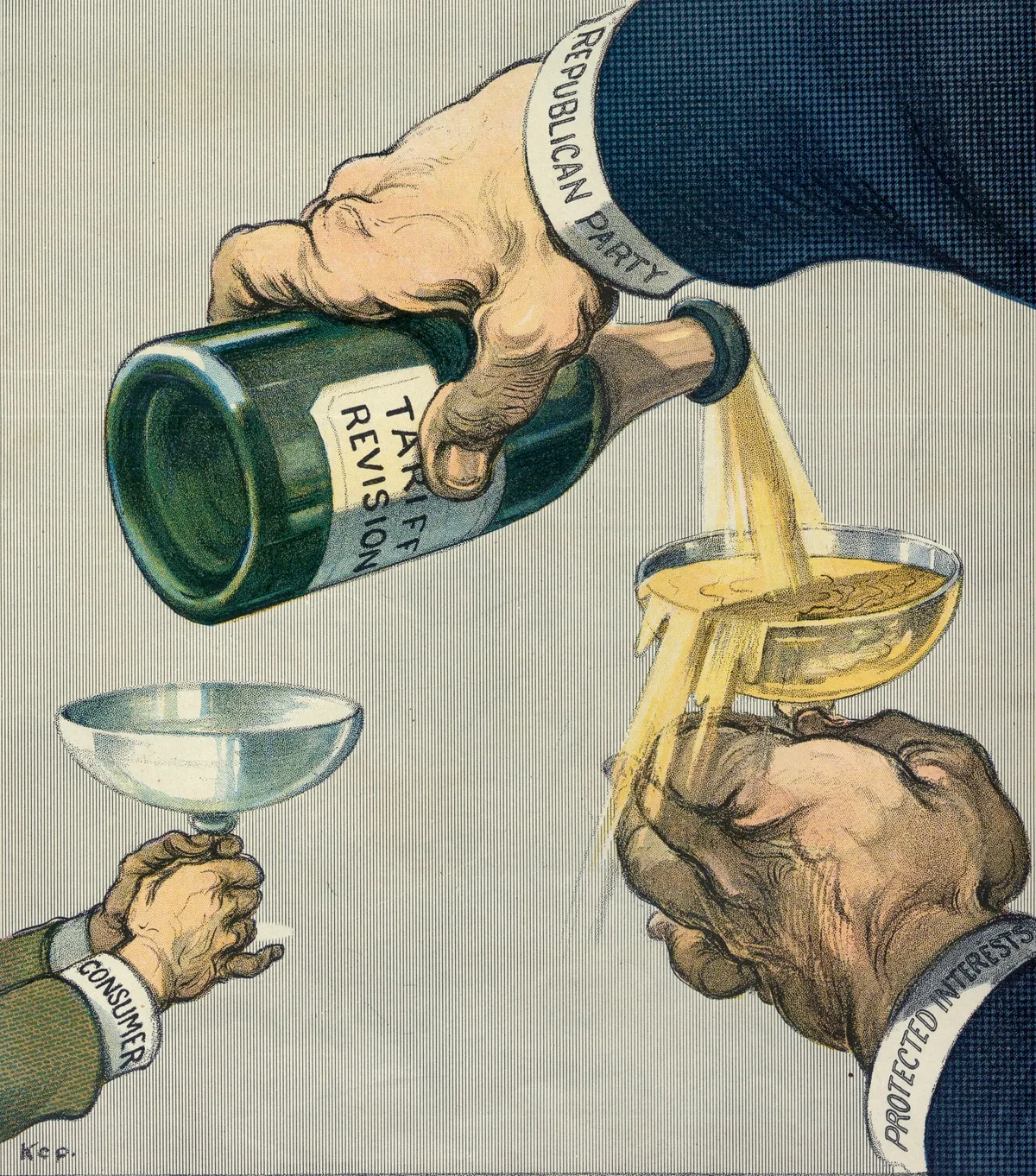
A tariff is a tax paid by the importer at the border. What happens after that — pass-through, substitution, and price creep — depends on the product, the rate, and the contract.
How CBP investigates allegations that an importer evaded antidumping or countervailing duties: the statutory clocks, the interim measures that bite before any finding, and the confidential-information rules the Federal Circuit forced open.
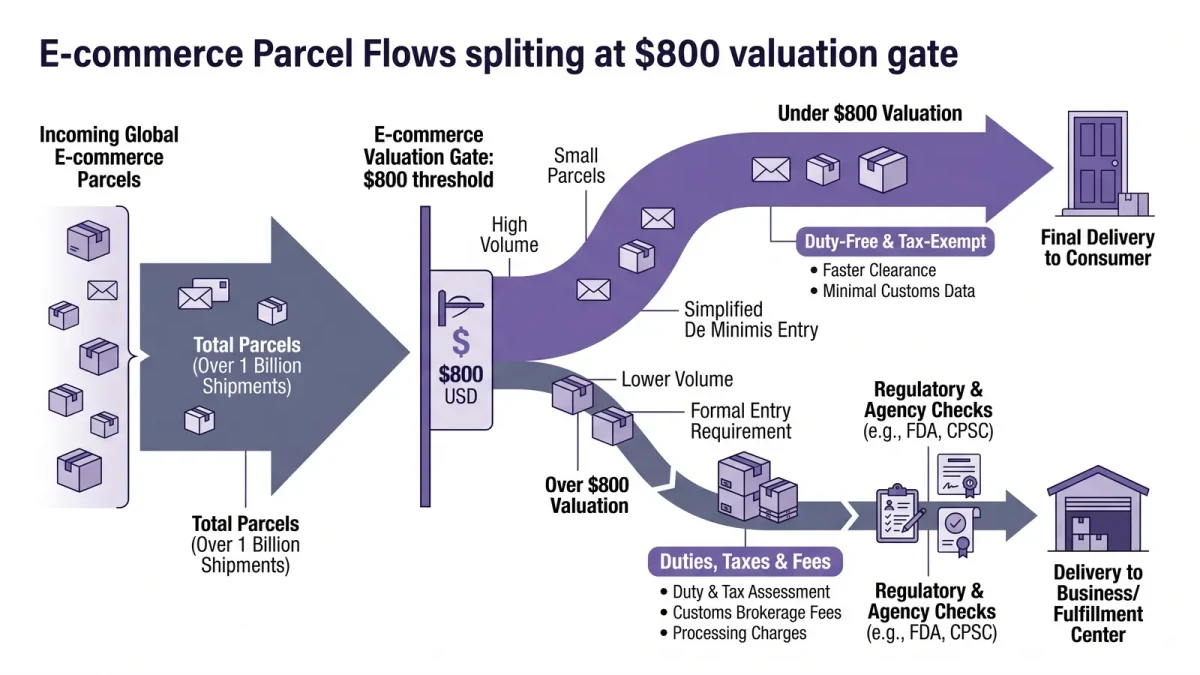
Section 321 lets shipments valued under $800 enter duty-free — the provision behind cross-border e-commerce, now narrowed by enforcement actions and 2025 restrictions.
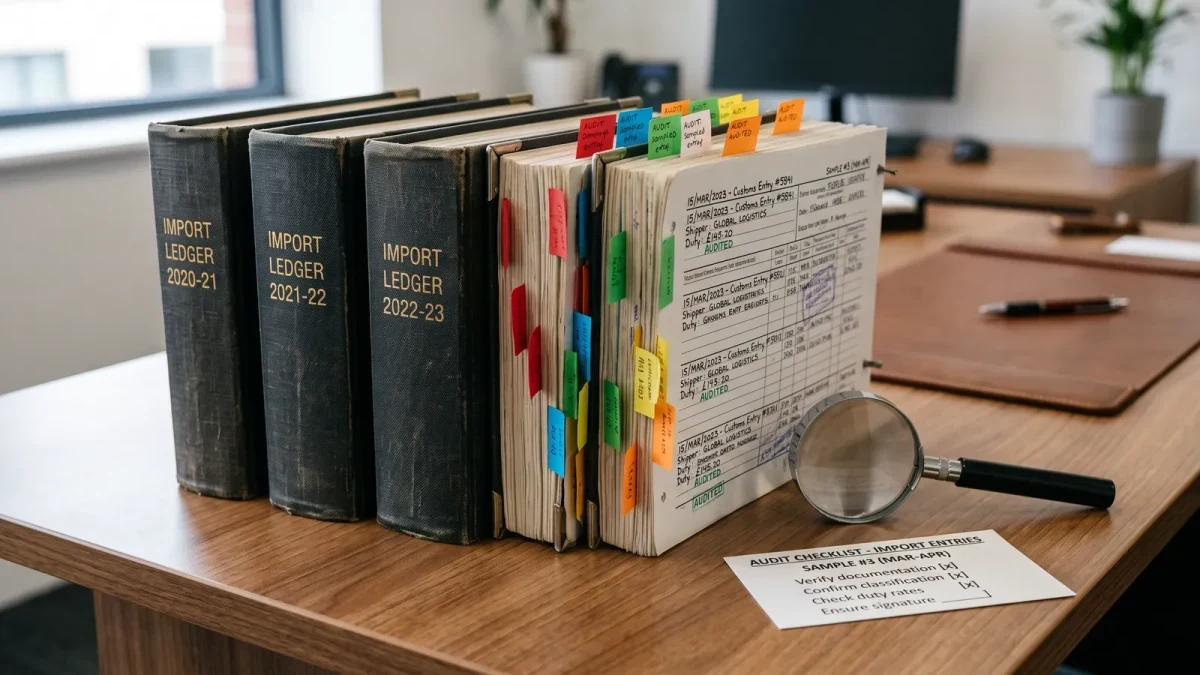
CBP audits examine classification, valuation and origin across years of entries — importers with documented reasonable care negotiate findings; those without fund assessments.