The Uyghur Forced Labor Prevention Act (UFLPA), effective June 21, 2022, establishes a rebuttable presumption that any goods mined, produced or manufactured wholly or in part in the Xinjiang Uyghur Autonomous Region of China, or by entities on the UFLPA Entity List, were made with forced labor — and therefore are barred from U.S. entry under Section 307 of the Tariff Act. Customs and Border Protection applies the presumption at the border: shipments are detained, and release requires the importer to prove, by clear and convincing evidence, that the goods are forced-labor-free. There is no de minimis exemption: a single cotton fiber's nexus from Xinjiang brings the presumption.
USA Post publishes information about customs enforcement, not legal advice.
What is the rebuttable presumption and its scope?
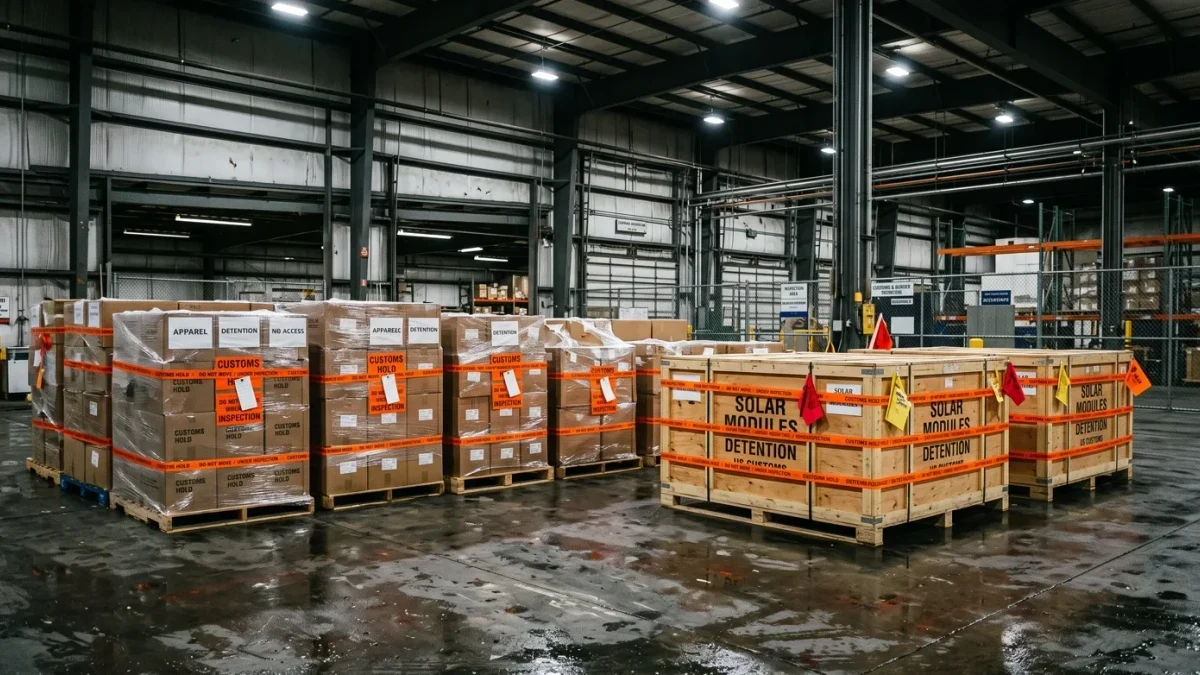
Three triggers: goods produced in Xinjiang; goods made by an entity on the UFLPA Entity List (maintained by the Forced Labor Enforcement Task Force, or FLETF, and grown from an initial five entities to dozens covering apparel, cotton, tomatoes, polysilicon, aluminum and seafood); and goods whose inputs trace to either. The presumption applies regardless of the goods' share of the shipment and cannot be waived for diplomatic or commercial convenience — only Congress could, and it has not. CBP statistics through 2025 show thousands of detained shipments valued in the billions, with electronics, apparel and automotive parts leading — the solar industry's polysilicon detentions reshaped module sourcing.
How does an importer rebut the presumption?
Through an applicability challenge or an exemption. An applicability challenge argues the goods have no Xinjiang or Entity List nexus at all — requiring supply-chain tracing to the raw-material level: purchase orders, production records, transportation documents, payroll and worker details at each tier. CBP's operational guidance asks for documentation proving the entire chain of custody. The statute's exemptions, for importers with (1) fully traced goods provably free of Xinjiang inputs, (2) goods from Xinjiang provably made without forced labor — including proof of workers' status, recruitment and freedom of movement — or (3) materials outside the scope, all demand clear and convincing evidence, the civil standard's high bar. In practice, CBP publishes detailed documentation expectations per sector, and successful challenges are the minority: the agency's own dashboards show approvals well below half of adjudicated shipments.
How does this differ from Section 307 withhold release orders?
Section 307 of the Tariff Act (19 U.S.C. 1307) has barred forced-labor goods since 1930, historically enforced through specific Withhold Release Orders against named products and regions — the active WRO list (covering some other regions and entities) still operates in parallel. The UFLPA added a presumption-based regime that flips the burden: instead of CBP proving forced labor to detain, the importer must prove its absence to release. Practically, UFLPA detentions arrive without warning at the port, while WRO detentions target published product-and-producer combos importers can screen in advance.
What are the commercial consequences of a detention?
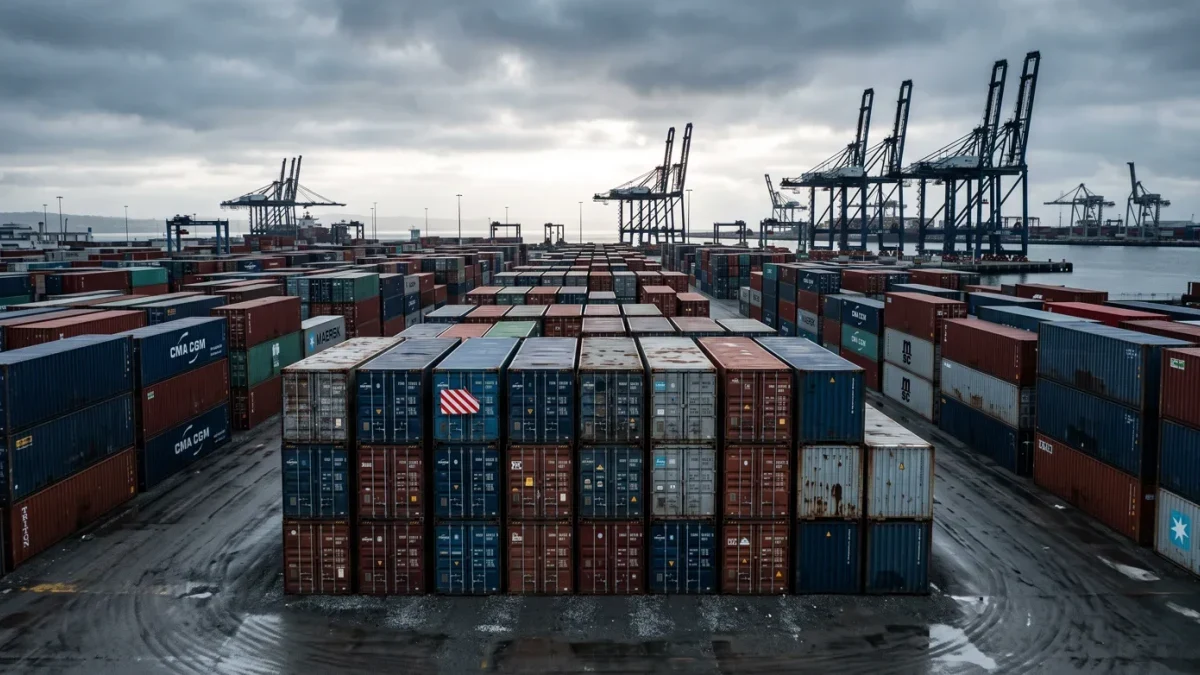
Detained goods sit at the port while the clock runs: petitions must be filed within 90 days of detention or the goods are re-exported or destroyed — no entry, no sale, carrying storage and demurrage costs. Even successful rebuttals take weeks to months, disrupting just-in-time supply chains; module shipments for solar projects were strung out over quarters. Repeated detentions flag the importer for heightened review across future entries, and forced-labor findings feed the broader enforcement web: DOJ customs fraud prosecutions where importers conceal origin, securities disclosure questions for public companies with detained shipments, and state-level copycat regimes (the EU's forced-labor regulation phases in from 2026-2027) multiplying compliance surfaces.
What should a compliance program actually do?
- Map the supply chain to tier-three and raw-material level for any China nexus — cotton, polysilicon, aluminum, tomatoes, seafood and downstream electronics are the risk list.
- Screen suppliers against the UFLPA Entity List and CBP's WRO list at onboarding and continuously; monitor FLETF additions quarterly.
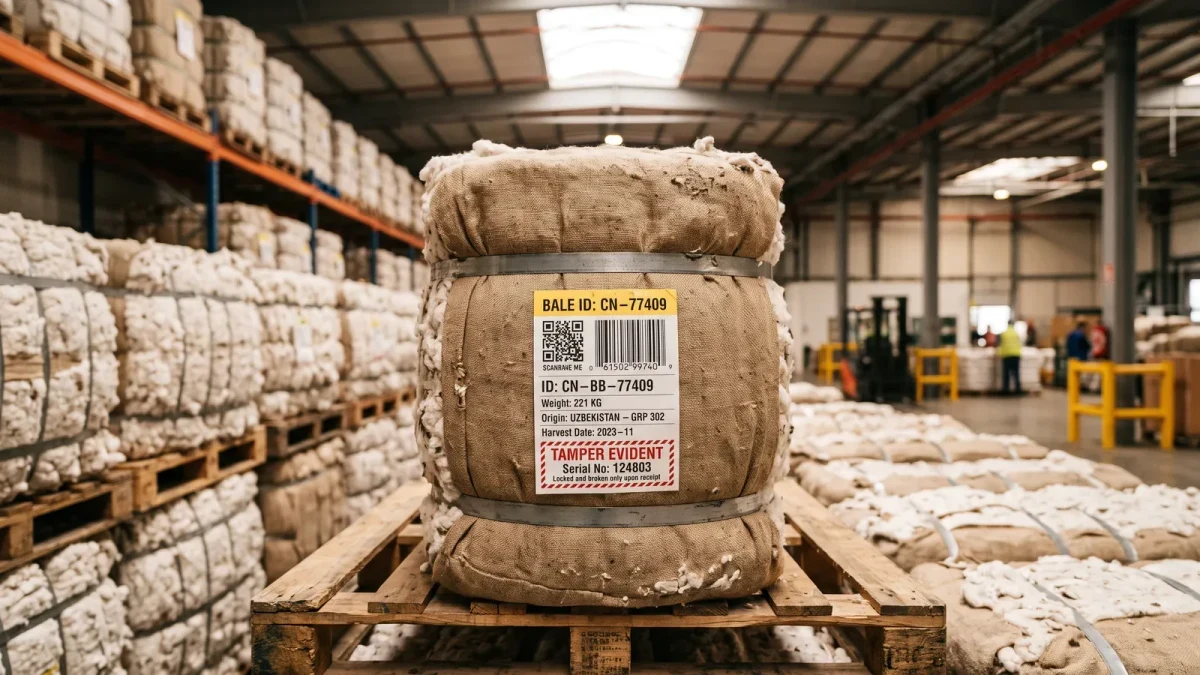
- Collect chain-of-custody documentation before shipping: isotopic or origin testing where available (cotton and polysilicon tracing), supplier audits with worker interviews.
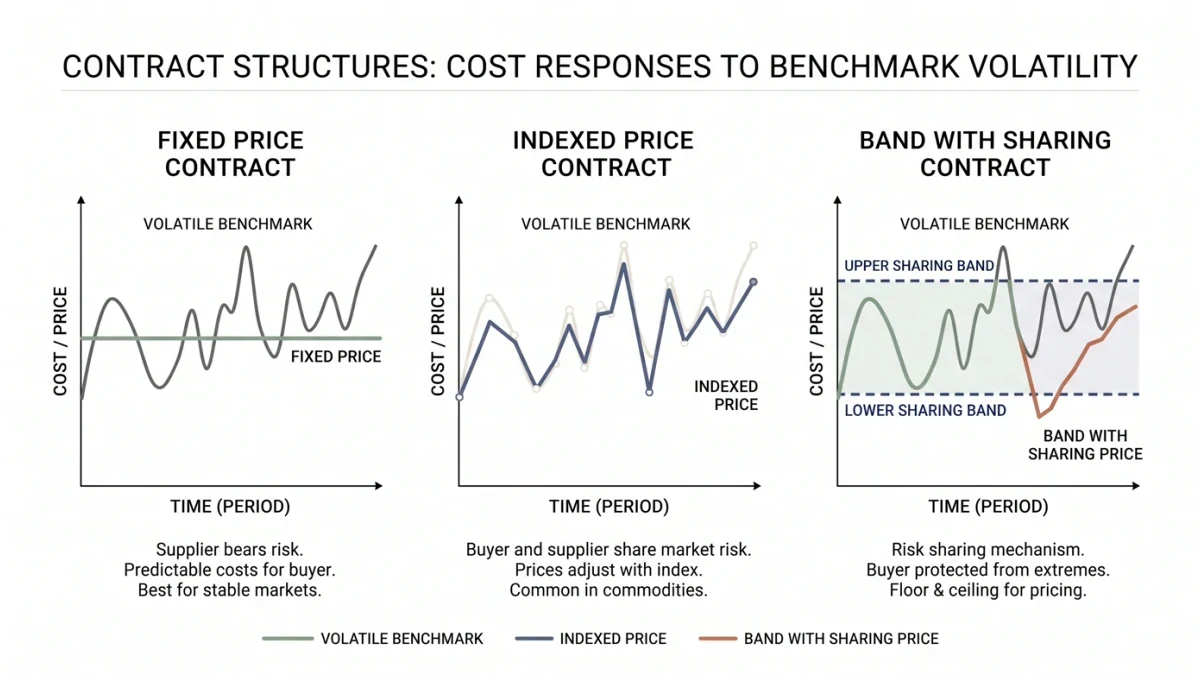
- Contract for compliance: supplier warrants of no-Xinjiang inputs, audit rights, remediation and indemnity for detention losses.
- Prepare the detention playbook in advance — a ready petition file with the tracing documentation CBP expects, since the 90-day window does not allow building a record from scratch.
Where is the regime heading?
Toward expansion and infrastructure. The Entity List grows steadily; CBP's forced-labor division has grown from a handful of analysts to a standing enforcement program with regional centers; laboratory testing (isotopic, DNA and elemental analysis) is becoming routine in cotton and polysilicon chains; and allied regimes — the EU regulation, Canadian import bans — are converging on documentation standards, so the traceability investment pays across jurisdictions. The compliance question has moved from "do we import from Xinjiang" to "can we prove where every input came from" — and importers without that proof own goods they cannot sell.