Cross-border compliance handled in operational terms: classifying goods, determining origin, obtaining licenses, screening counterparties, and drafting clauses that allocate duty and sanctions exposure. Coverage tracks changes to control lists and their effective dates. Aimed at trade compliance managers, logistics leads and counsel supporting international sales.
U.S. sanctions law reaches any company using U.S. dollars or the U.S. financial system — with strict liability and penalties that turn on screening, the 50 Percent Rule and self-disclosure.
AD/CVD proceedings at the Commerce Department and the International Trade Commission add duties to imports sold below fair value or subsidized abroad — with rates set by investigation.
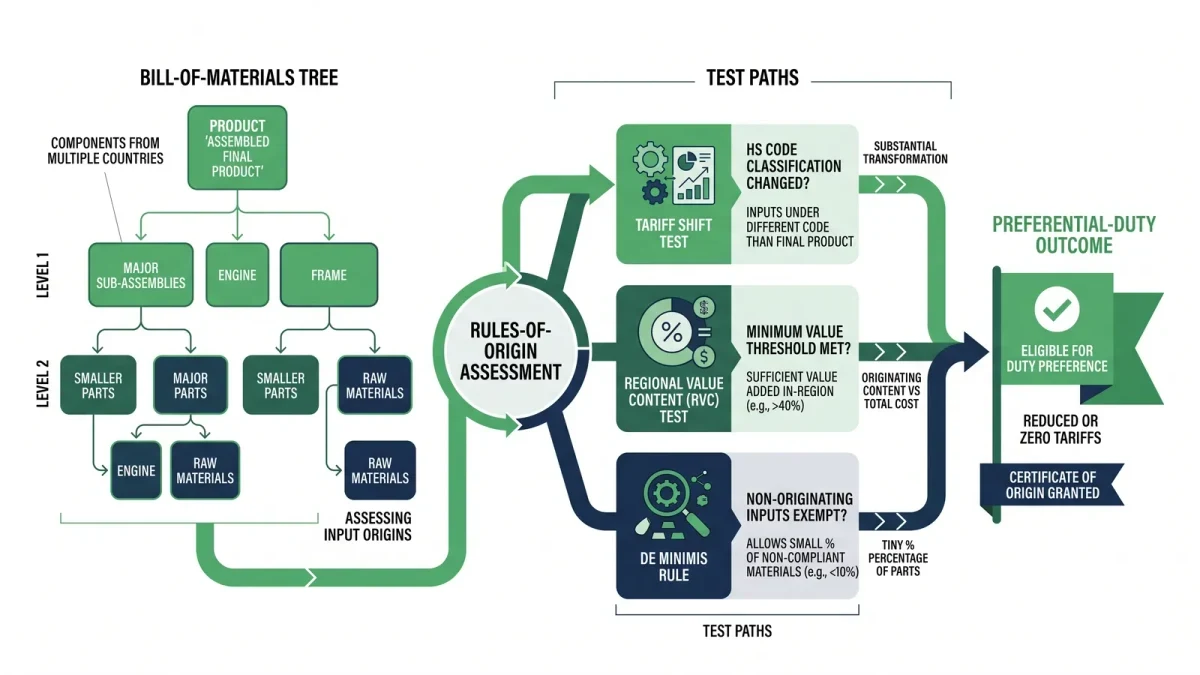
Preferential tariff treatment under an FTA requires the product to satisfy that agreement's rules of origin — through tariff shifts, regional value content or substantial transformation.
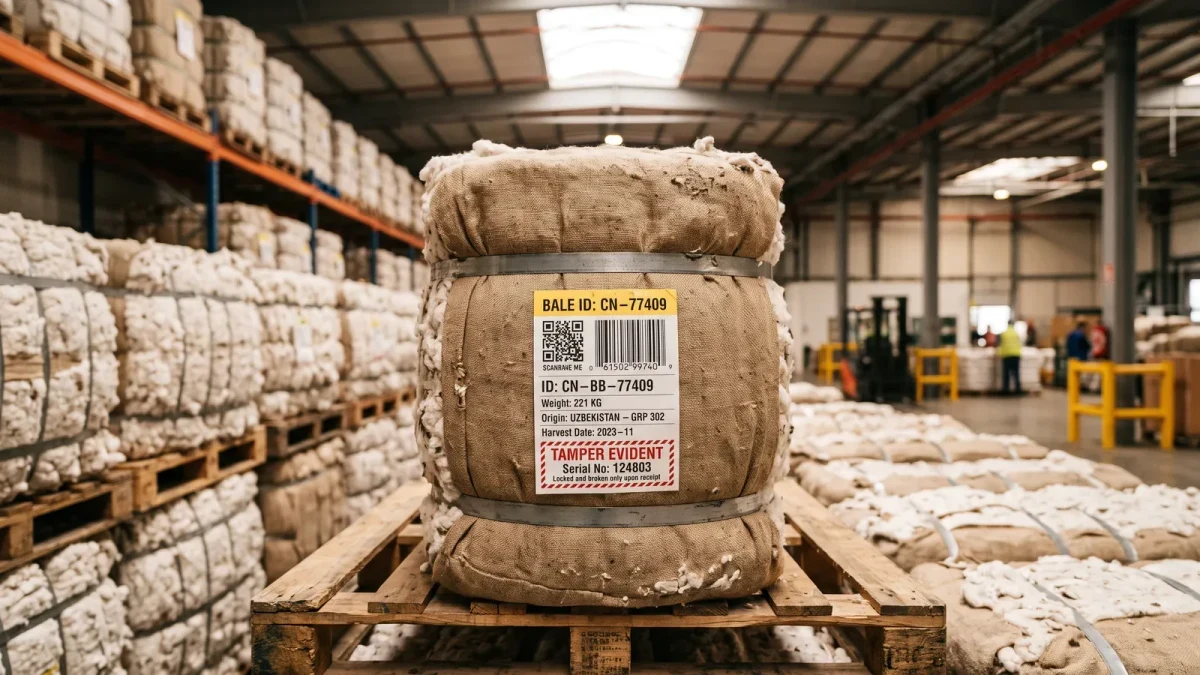
Since June 2022, U.S. Customs presumes any goods with Xinjiang nexus are made with forced labor — detained at the border unless importers prove otherwise by clear and convincing evidence.